
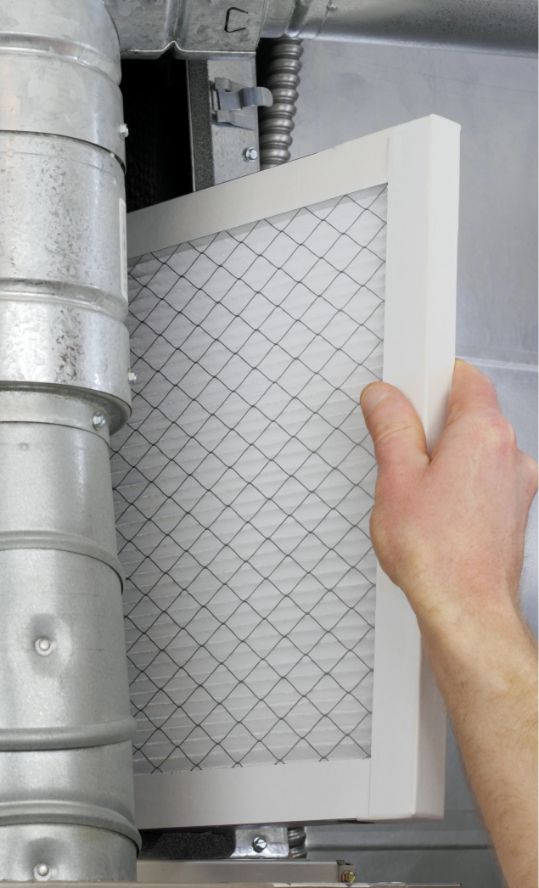

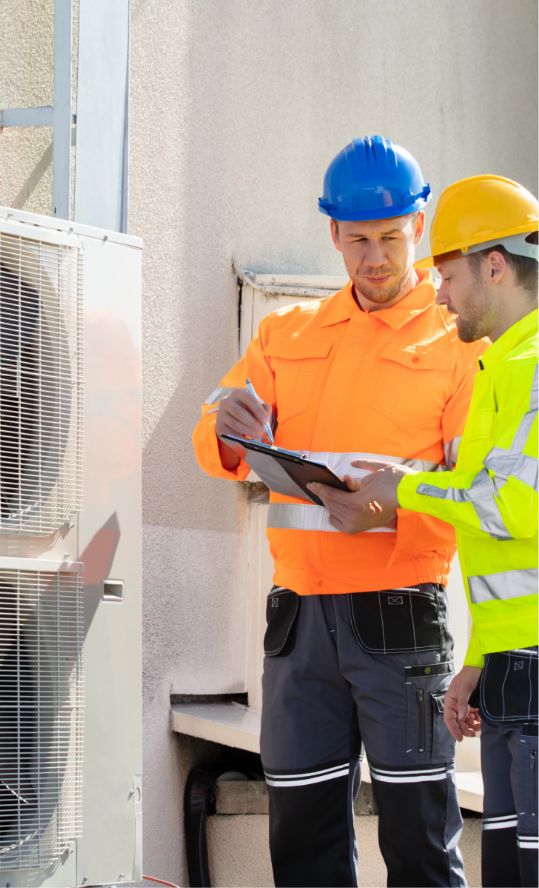



Preparing Your HVAC System for Spring Conditions
Clean Air Spaces. Ready for Every Season.
Prepare your building for spring allergens, dust, debris, and wildfire smoke with practical IAQ strategies.

Spring Is in the Air. Is your building ready?
Spring introduces a new set of air quality challenges that can impact your building and your occupants. Pollen, poplar fluff, dust, debris, and seasonal contaminants can quickly enter HVAC systems, increasing filter loading, reducing airflow, and affecting indoor air quality.
Preparing your system early helps maintain cleaner indoor environments and reduces the risk of issues later in the season, including during wildfire events.
What changes in spring?
- Tree and grass pollen
- Mold spores
- Poplar fluff and organic debris
- Dust from increased traffic
- Construction, landscaping and agricultural debris
The Impact seasonal elements can have on your building and people

Reduced indoor air quality

Faster filter loading

Reduced airflow

Increased occupant complaints and discomfort

Higher energy use

Increased risk of bypass
Creating Clean Air Spaces Starts Here
-
Prepare your system
-
Optimize your filtration
-
Plan and monitor
A proactive approach helps buildings maintain cleaner indoor environments throughout seasonal changes.
Why Seasonal Filter Changeouts Matter
Seasonal changes place different demands on your HVAC system and filtration strategy.
In spring, increased levels of pollen, dust, debris, and organic material can cause filters to load more quickly, reducing airflow and system performance. If filters are not inspected and replaced as needed, this can lead to reduced indoor air quality and additional strain on equipment.
Most commercial buildings operate with a two-stage filtration system, typically using prefilters and final filters. Each plays a critical role.
Spring Recommendations
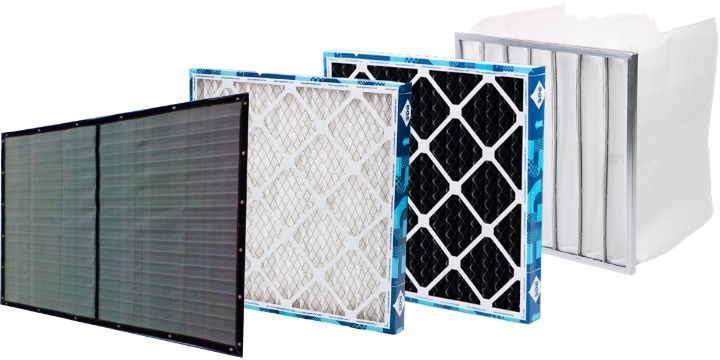
AirCheck – filtration system assessment
Bioscreens – to prevent large debris, insects, and organic materials for entering systems
Prefilters – to capture larger particles and protect downstream final filters
Carbon Filters – Ordering inventory in advance of the season so you can react quickly when wildfire smoke appears
Coil Cleaning – To restore airflow and efficiency heating and cooling
Wildfire Readiness
Merv 13+ filters – To capture fine particulate matter including PM 2.5
Carbon and Molecular Filtration – To help control odours and gases
Monitoring and Verification
IAQ Monitoring Solutions – track indoor air quality and understand what’s happening in your spaces
Testing and Verification (Con-Test) – validate system performance and air quality conditions.
Health and Building Performance Benefits
Maintaining effective filtration supports both occupant health and building performance.
- Improved indoor air quality and reduced airborne particles
- Reduced exposure to fine particulate matter (PM2.5)
- Fewer allergy-related symptoms
- Improved comfort and productivity
- Better system efficiency and reduced equipment wear
Industry Best Practices
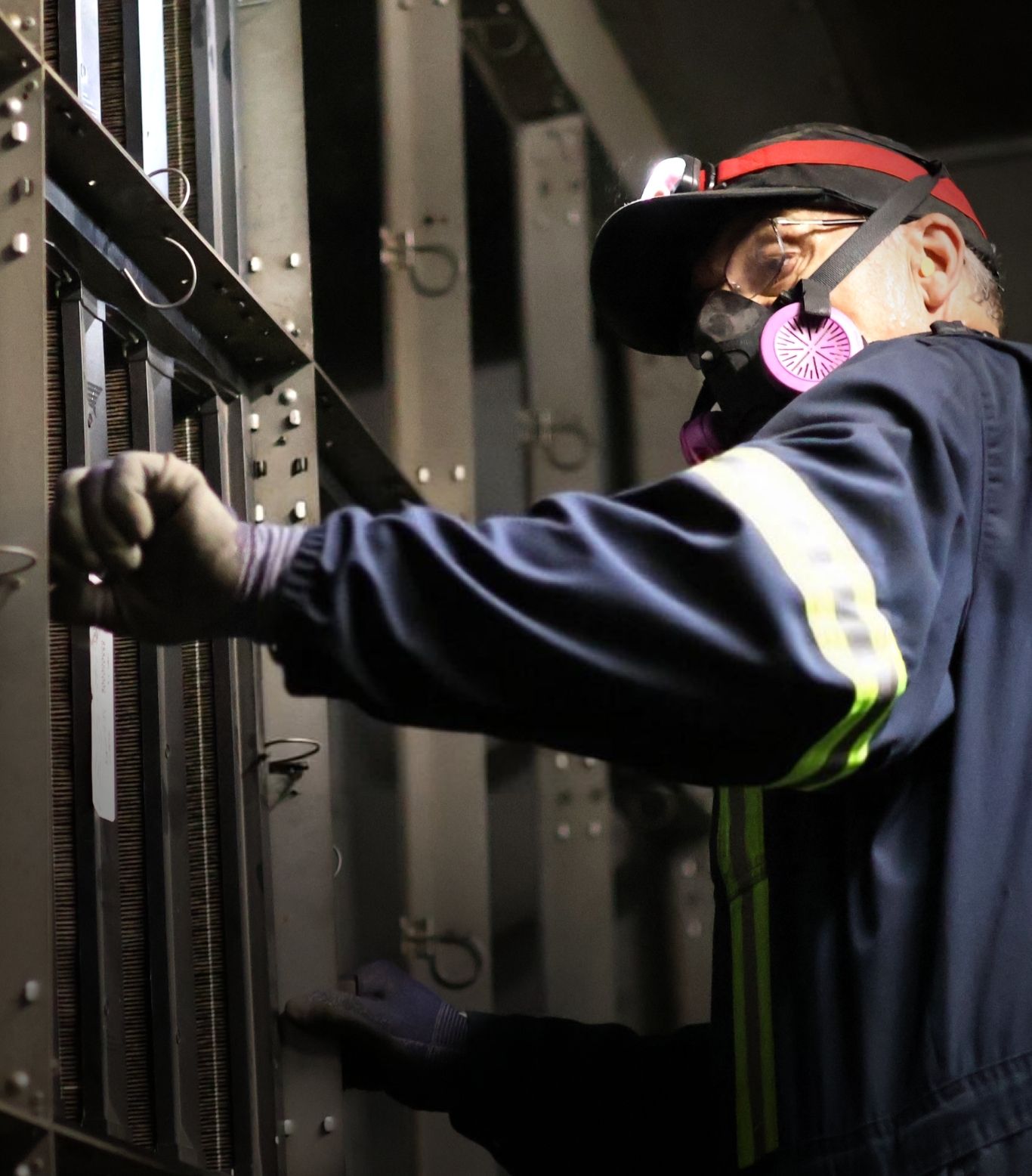
There are a number of established industry best practices and resource guides available to help building operators better understand and manage the impact of seasonal air quality challenges and wildfire smoke. These guidelines provide practical recommendations for system preparation, filtration, and ongoing air quality management.
- ASHRAE Guideline 44 – Protecting building occupants from wildfire smoke
- ASHRAE Planning Framework – Before, during, and after smoke event strategies
- NAFA Recommendations – Filtration best practices and system performance
- EPA Wildfire Resources – Health impacts and IAQ education
- EPA Schools as Cleaner Air and Cooling Centers – Health impacts and IAQ education
- Health Canada Guidance – Cleaner air spaces and IAQ recommendations during Wildfire smoke events
Supporting Clean Air Spaces
At BGE and supported by Con-Test, a Division of BGE, we work with building maintenance teams to:

Assess systems and seasonal risks
 Recommend and deliver filtration strategies for particulate and odour control
 Optimize HVAC performance through service and support
 Provide monitoring and IAQ testing services to verify performance
Our goal is to ensure you have confidence in your indoor environments, fewer surprises, and a clear plan for the season.
Preparing now helps you avoid reactive decisions later.
Be Ready Before Conditions Change.

Your Partners In Clean Air
Call 780-436-6960 today to speak with a BGE Clean Air Advisor.